 listicle
Romanian Mici for Groups: A Complete Guide
Table of Contents
- What Are Mici and Why They're Perfect for Groups
- Traditional Ingredients and the Meat Blend That Matters
- Grilling Techniques for Charcoal: Getting the Charred Exterior Right
- Best Side Dishes for Mici at Gatherings
- How to Make Ciorba de Perisoare: A Complementary Soup
- Catering Romanian Food for Groups: Scaling and Logistics
- Serving Suggestions and Creating the Full Experience
- Frequently Asked Questions
Last Updated: September 21, 2026
What Are Mici and Why They're Perfect for Groups
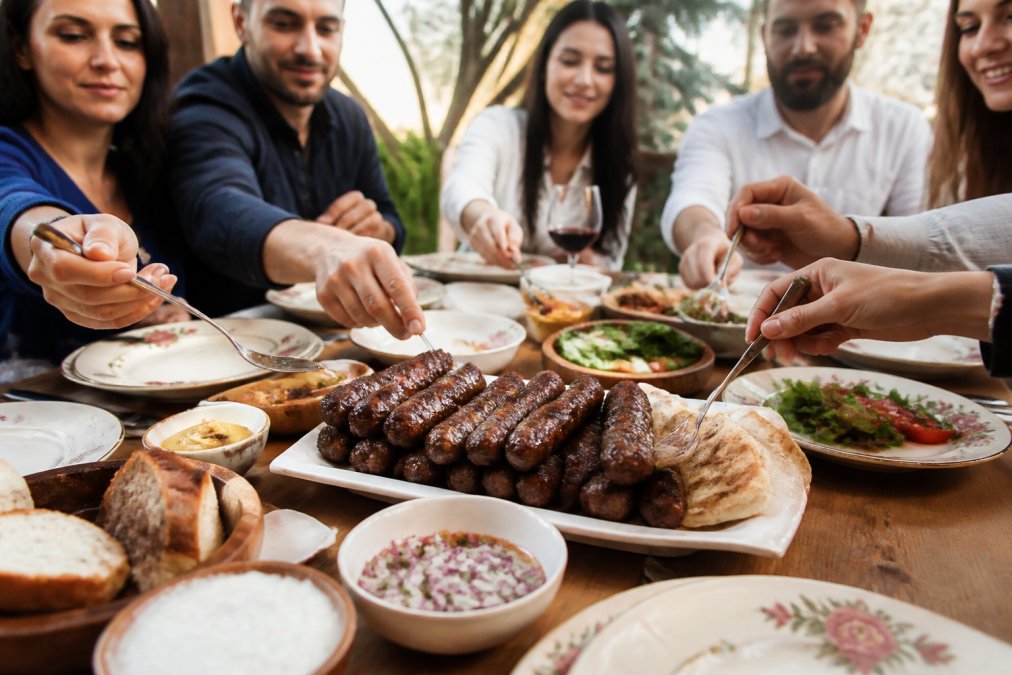
Mici are traditional Romanian caseless sausages made from ground meat, spices, and bicarbonate soda. They're one of the most practical and crowd-pleasing dishes for groups, delivering authentic flavor that keeps people coming back.
Mici are inherently shareable and require no individual plating. The charred exterior and tender interior appeal to most palates, and the bold spice blend delivers something special without complicated preparation.
Mici can be prepared hours ahead, grilled just before serving, and kept warm easily, ideal for any gathering.
Traditional Ingredients and the Meat Blend That Matters
Traditional mici combine beef and lamb with suet, which adds moisture and achieves the juicy interior that defines exceptional mici for groups.
The spice blend separates memorable mici from forgettable ones. Garlic dominates, black pepper provides heat, and mustard adds complexity.
Bicarbonate soda reacts with the meat during cooking, creating a tender crumb and light, fluffy texture. Without it, mici become dense and chewy.
Ratios matter: too much suet makes mici greasy, too little garlic makes them bland. Start with a proven ratio and adjust based on your crowd's preferences.
Grilling Techniques for Charcoal: Getting the Charred Exterior Right
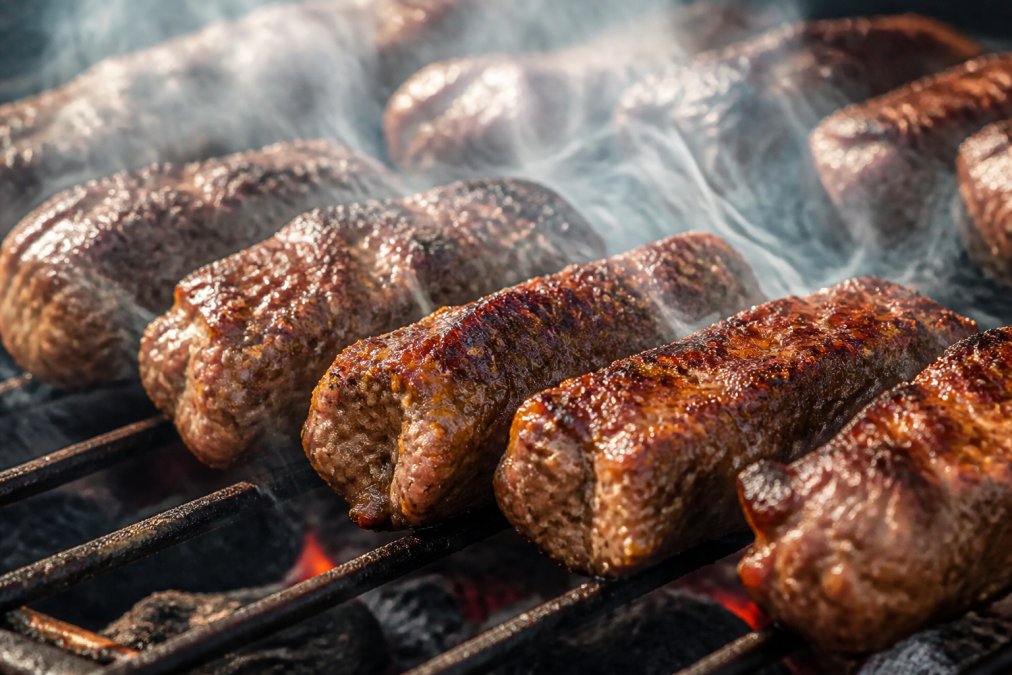
Charcoal grilling is traditional and essential for mici for groups: direct heat creates a charred exterior while keeping the interior juicy.
Start with a hot charcoal bed. Place mici directly over heat and resist moving them constantly. Let each side develop a dark brown crust, about 2-3 minutes per side. Mici are done when firm to the touch but still give slightly when pressed.
For larger groups, manage heat zones: high heat for the sear, cooler zone for finishing. If mici split, heat is too high.
Let mici come to room temperature 15-20 minutes before grilling for consistent results.
Best Side Dishes for Mici at Gatherings
Side dishes should complement mici's bold flavor without competing. Choose based on flavor balance, advance prep, and scalability.
The Core Sides: Bread and Vegetables
Crusty bread is essential, it soaks up juices and provides textural contrast. Plan for 1 slice per person as a baseline.
Grilled vegetables simplify logistics: zucchini, peppers, eggplant, and corn pair naturally with mici. Cut into uniform sizes and prep the morning of the event. For 40 people, prepare 3-4 pounds.
Fresh Contrast: Salads
A simple green salad with tomatoes, cucumbers, and red onion cuts through the richness.
Hearty Starches
Building a Cohesive Menu for Different Group Sizes
For 20-30 people (intimate gathering):
- Crusty bread (2 loaves)
- Grilled zucchini and bell peppers (2 pounds)
- Simple green salad with vinaigrette (6 cups greens)
- Roasted potatoes (3 pounds)
For 40-60 people (medium event):
- Crusty bread (4-5 loaves)
- Grilled vegetables: zucchini, peppers, eggplant, corn (5 pounds)
- Two salads: a green salad and a composed salad with roasted vegetables and feta (12 cups total)
- Roasted potatoes or fries (6-8 pounds)
- Optional: a simple tomato and cucumber salad with red onion and olive oil
For 75-100+ people (large event):
- Crusty bread (8-10 loaves)
- Grilled vegetables in large batches (10+ pounds), or order pre-grilled vegetables from a catering supplier
- Multiple salads: green salad, composed salad, and a hearty grain salad (farro or orzo with vegetables and vinaigrette) for variety (20+ cups total)
- Roasted potatoes and fries (12-15 pounds combined)
- Optional: pickled vegetables or a simple coleslaw for additional contrast
Advance Prep Strategy
- Day before: Make salad dressings, chop vegetables for salads, and store them separately in airtight containers. Prepare polenta if using it.
- Morning of event: Roast potatoes, slice bread, arrange vegetables for grilling on a tray with oil and seasoning.
- 1 hour before service: Toss salads with dressing, arrange bread on platters, set out all condiments and serving utensils.
- During service: Grill vegetables in batches alongside mici. Keep finished sides warm in a low oven or on a warming tray.
Condiments and Flavor Boosters
- Mustard: Traditional yellow mustard or spicy brown. Provide both; guests have strong preferences.
- Lemon wedges: A squeeze of fresh lemon brightens the richness of mici and grilled vegetables.
- Fresh herbs: Parsley or dill scattered over salads and vegetables adds freshness.
- Hot sauce or chili oil: For guests who want heat beyond what the mici provide.
- Sour cream: A dollop on the side for those who want creaminess.
Beverage Pairing
How to Make Ciorba de Perisoare: A Complementary Soup
Ciorba de perisoare, a traditional sour soup with meatballs, complements mici for groups with its tangy, warming character.
Catering Romanian Food for Groups: Scaling and Logistics
Quantity Guidelines by Group Size
- 20-30 people: 60-120 mici. A standard 22-inch charcoal grill can handle batches of 12-15 pieces every 6-8 minutes, meaning you'll need 45-60 minutes of active grilling time. One operator is sufficient.
- 30-50 people: 90-200 mici. You'll need either two grills running in parallel or one grill with a dedicated operator working continuously. Plan for 90 minutes of grilling time.
- 50-100 people: 150-400 mici. Two grills are mandatory. Consider a third if you want to finish service within 2 hours. Recruit two grill operators and establish a relay system where one cooks while the other manages plating and warming.
- 100+ people: Rent a commercial-grade grill or partner with a catering operation. Home grilling becomes impractical; heat management, food safety, and timing all become exponentially harder.
Advance Preparation Timeline
3-4 days before: Purchase meat and confirm your grill is in working order. Test your charcoal supply; you'll need more than you think. A standard 20-pound bag covers roughly 60-90 minutes of cooking for a medium group.
Storage and Food Safety
- Use a cooler with ice packs as temporary storage. Keep mici on the bottom shelf, away from direct ice contact, at 40°F or below.
- Form mici in batches over two days if your refrigerator is cramped. The first batch can be frozen after 12 hours in the fridge; thaw it overnight before grilling.
- Never leave cooked mici at room temperature for more than 2 hours. If your event runs long, keep finished mici warm in a slow cooker set to low (around 140°F) or wrapped in foil in a warm oven (200°F).
Grill Station Setup and Heat Management
- Position your grill at least 10 feet from where guests are seated. Smoke and heat should not reach the dining area.
- Set up a staging table next to the grill with raw mici, tongs, a meat thermometer, and serving platters.
- Create a "cooling zone" on your grill by banking charcoal to one side. Use high heat for the sear (2-3 minutes per side) and the cooler zone to finish cooking without burning the exterior.
- If using two grills, stagger them so one is always finishing while the other is searing. This creates a continuous flow rather than feast-or-famine timing.
- Have a designated person managing the grill exclusively. This person should not be responsible for greeting guests, managing beverages, or plating sides. Their sole job is mici quality and timing.
Contingency Planning
Things go wrong. Plan for them:
- If charcoal runs out: Have a backup bag on hand. Running out mid-service is a common mistake.
- If mici split on the grill: This usually means heat is too high or meat was too cold. Lower the temperature and move mici to a cooler zone. A few split pieces won't ruin the meal, but it signals you need to adjust.
- If you're running behind schedule: Mici cook fast, so you can catch up quickly. Don't rush and undercook them. It's better to ask guests to wait 10 minutes for properly cooked mici than to serve raw interiors.
- If weather turns cold or rainy: Mici still cook fine, but your guests won't enjoy standing around a grill in bad weather. Have a backup plan: move service indoors, set up a tent, or pivot to serving mici as a plated appetizer rather than a grill-side experience.
Scaling the Full Menu
- 2-3 loaves of crusty bread (cut into serving pieces)
- 3-4 pounds of grilled vegetables
- 1 large salad (roughly 8-10 cups)
- 15-20 beverages (beer, water, wine, soft drinks combined)
Serving Suggestions and Creating the Full Experience
Present mici on a wooden board or large platter with bread, mustard, and cold beer. This casual, communal presentation signals sharing and enjoyment.
Frequently Asked Questions
What are mici called in English, and how do they differ from regular sausages?
Mici (pronounced 'mee-chee') are traditionally called caseless sausages or ground meat rolls. Unlike standard sausages that use casings, mici are formed directly from a seasoned ground meat mixture, typically beef and lamb blended with spices, garlic, and bicarbonate soda. This structure gives them a unique texture, juicy on the inside with a charred, crispy exterior when grilled. The absence of casing allows the spice blend and smoky flavor to develop more intensely during cooking on direct heat.
Are Romanian mici suitable for large group catering?
Yes, mici are excellent for group catering. They cook quickly on a charcoal grill, making them ideal for feeding 20+ people efficiently. Their flavor profile appeals to diverse palates, and they pair naturally with familiar sides like crusty bread and mustard. When catering Romanian food for groups, mici offer flexibility, they can be prepared ahead, grilled to order, and served warm alongside cold beer and traditional accompaniments. Most groups appreciate their street food appeal and social eating style.
What's the best way to serve mici for a group setting?
Serve mici hot off the grill with crusty bread on the side, allowing guests to build their own wraps. Provide mustard, onions, and additional spices for customization. Pair with cold beer and your choice of side dishes, ciorba de perisoare (meatball soup) works beautifully as a warm complement. For large groups, set up a simple serving station where mici stay warm in a covered dish, bread is accessible, and condiments are nearby. This approach encourages casual, interactive eating that suits BBQ gatherings and social occasions.
Can I modify mici for dietary preferences in a group setting?
Yes, mici can be adapted. For a leaner option, use ground turkey or chicken mixed with beef for flavor; the bicarbonate soda and spice blend still create the characteristic texture. Vegetarian guests can enjoy the sides, crusty bread, ciorba de perisoare (if made with vegetable broth), and traditional accompaniments. When catering Romanian food for groups with mixed dietary needs, prepare a standard batch of traditional mici alongside one modified batch, clearly labeled. This ensures everyone participates in the meal without compromising the authentic preparation.