 ultimate-guide
What Are Traditional Romanian Mici: A Complete Guide
Table of Contents
- What Are Traditional Romanian Mici: Definition and Origins
- The History and Culinary Heritage of Mici
- Essential Ingredients for Authentic Mici
- How to Make Authentic Mici at Home
- Best Sides for Romanian Mici
- Mici vs Cevapi: Key Differences Explained
- Regional Variations Across Romania
- Troubleshooting Common Mici Problems
- Frequently Asked Questions
Last Updated: September 18, 2026
What Are Traditional Romanian Mici: Definition and Origins
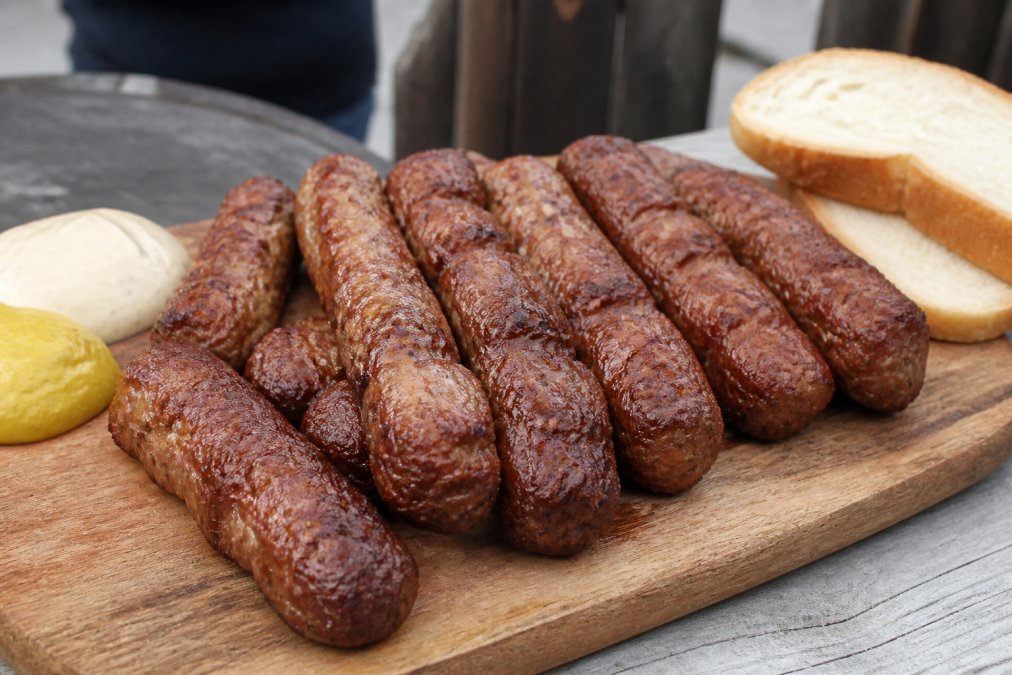
Traditional Romanian mici are skinless sausages made from ground meat, typically beef and pork, combined with spices and baking soda to create a distinctive texture. Unlike cased sausages, mici are shaped by hand into small cylindrical forms and grilled over charcoal until the exterior develops a savory, charred crust while the interior remains juicy. The name itself comes from the Romanian word meaning "small," reflecting their compact size and their status as a beloved street food and BBQ staple throughout the country.
The Etymology and Cultural Significance
The word "mici" translates directly to "small ones" in Romanian, a fitting descriptor for these hand-formed sausages that have become synonymous with Romanian culinary heritage. What makes mici culturally significant is their role in everyday life, they're not reserved for special occasions but rather appear at neighborhood grills, family gatherings, and street vendors across the nation. The dish represents a democratic approach to cooking: affordable, accessible, and deeply rooted in tradition. At Peggy's NYC, we honor this heritage by crafting traditional Romanian mici with a special house-ground blend, ensuring that the authentic flavors of this culinary tradition reach diners in Midtown East who appreciate handcrafted, heritage-inspired food.
The History and Culinary Heritage of Mici
Mici emerged from the practical needs of Romanian butchers and home cooks who sought ways to use ground meat scraps efficiently while creating something flavorful and shelf-stable. The technique likely developed centuries ago when refrigeration didn't exist, and the combination of spices, particularly garlic, black pepper, and allspice, served both flavor and preservation purposes. Over generations, the recipe became standardized into the form we recognize today: a carefully balanced mixture of meats, fat, and seasonings that produces the characteristic texture and taste.
The cultural significance of mici deepened during the 20th century when they became associated with street food culture and casual outdoor gatherings. Grilled mici, served with mustard and crusty bread, became the quintessential pairing for beer and informal social moments. This positioning, neither fancy nor overly rustic, but deeply satisfying, explains why mici remain central to Romanian food culture today. The dish bridges generations: grandmothers teach their grandchildren how to shape the mixture, and the memory of mici grilled at family celebrations becomes part of personal and national identity.
Essential Ingredients for Authentic Mici
Creating authentic mici requires precision in both ingredient selection and proportions. The foundation consists of ground beef and ground pork, combined in a ratio that balances richness with texture. Fresh garlic, black pepper, and thyme form the aromatic base, while allspice and anise add subtle complexity that distinguishes mici from other ground-meat sausages. Salt binds the mixture, and baking soda plays a critical role in achieving the proper consistency.
The Meat-to-Fat Ratio: A Scientific Breakdown
The success of mici depends heavily on getting the fat content right. A mixture that's too lean produces dry, crumbly results; too much fat creates a greasy, unstable sausage that falls apart on the grill. The ideal ratio falls between 80-85% lean meat to 15-20% fat, which allows the mixture to hold together while remaining juicy after cooking. This ratio ensures proper emulsification, the fat particles distribute evenly throughout the meat, creating a uniform texture that doesn't separate during grilling.
When you grind the meat at home, you control this balance directly. Many home cooks make the mistake of using ground beef alone, which tends to be too lean. Combining beef with pork (which has slightly more fat) solves this problem naturally. The fat content also affects how the mici browns on the grill: sufficient fat renders during cooking, creating the characteristic charred exterior while keeping the interior moist.
The Role of Baking Soda in Texture
Baking soda is the secret ingredient that separates authentic mici from ordinary ground-meat sausages. Added in small quantities, typically one-quarter to one-half teaspoon per pound of meat, baking soda raises the pH of the mixture, which promotes protein unfolding and better water retention. This chemical change allows the mixture to bind more effectively and hold moisture during cooking, preventing the dry, crumbly texture that plagues homemade attempts.
The baking soda also creates a subtle lightness in the final product, making mici feel less dense than they would otherwise be. This is why store-bought mici often feel slightly spongier than homemade versions made without baking soda. The ingredient works best when mixed thoroughly into the meat and allowed to rest for several hours, giving the chemical reaction time to develop fully.
How to Make Authentic Mici at Home
Making mici at home requires patience and attention to detail, but the process itself is straightforward. Begin with quality meat, grind it yourself if possible, and combine it with spices and baking soda. The mixture then rests before shaping, and the shaped mici rest again before grilling. This two-stage resting period allows flavors to meld and the baking soda to work its magic.
Preparing the Meat Mixture
Start by combining one pound of ground beef and one pound of ground pork in a large mixing bowl. Add four cloves of minced garlic, one teaspoon of black pepper, one-half teaspoon of thyme, one-quarter teaspoon of allspice, one-eighth teaspoon of anise, and one-half teaspoon of salt. Sprinkle one-quarter teaspoon of baking soda over the mixture and mix thoroughly for two to three minutes, ensuring the baking soda distributes evenly throughout.
The mixing stage is critical: thorough blending develops the texture and ensures even seasoning. Cover the bowl and refrigerate for at least two hours, ideally overnight. This resting period allows the baking soda to activate and the flavors to develop. When you're ready to shape, the mixture should feel slightly tacky but hold together firmly when pressed.
Shaping and Resting
Wet your hands with cold water to prevent sticking, then take about two tablespoons of mixture and roll it between your palms into a cylinder roughly three inches long and three-quarters of an inch thick. Place each shaped mici on a parchment-lined tray. Once all mici are shaped, cover the tray and refrigerate for at least one hour before grilling. This second resting period firms up the mixture, making the mici less likely to fall apart on the grill.
Grilling Techniques for Perfect Results
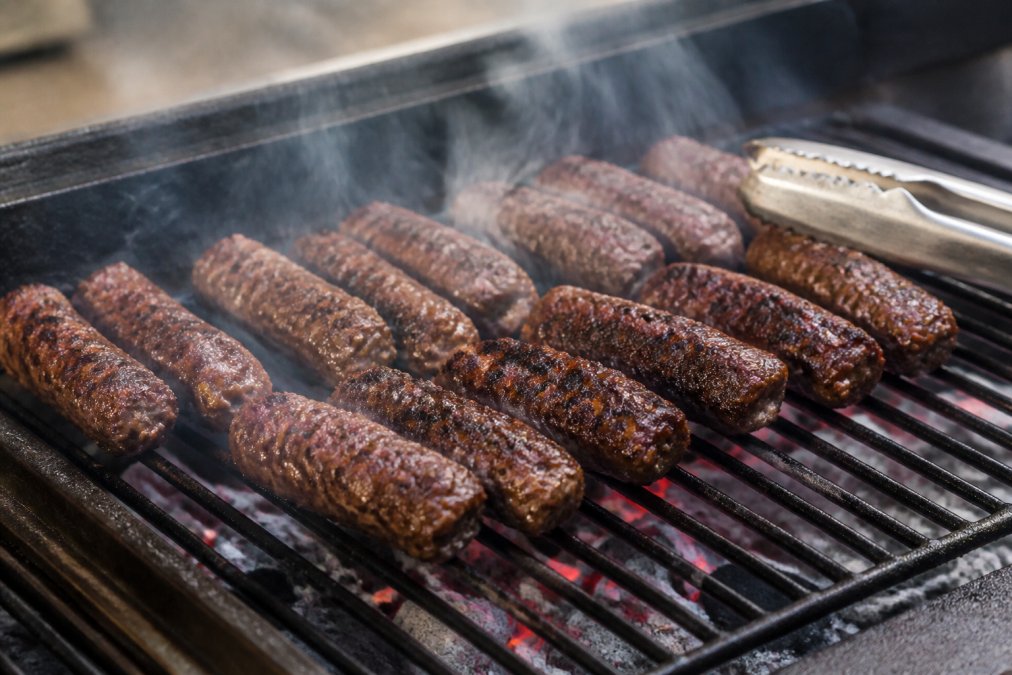
Heat a charcoal grill to medium-high temperature, aiming for a surface temperature around 375-400°F. Charcoal grilling is traditional and produces superior flavor compared to gas, though either works.
Best Sides for Romanian Mici
The traditional accompaniments to mici have evolved over generations, and while some pairings are timeless, others offer modern interpretations worth exploring.
Traditional Serving Suggestions
Mici are classically served with crusty bread, sharp mustard, and fresh onions. The bread soaks up the juices and provides textural contrast, while mustard cuts through the richness of the meat. Sliced raw onions add sharpness and freshness. This combination has remained unchanged for good reason: each element serves a purpose in balancing the savory, charred flavors of the sausages.
Wine and Non-Alcoholic Pairings Beyond Beer
While beer remains the classic pairing, mici pair surprisingly well with lighter red wines like Pinot Noir or young Romanian wines such as Fetească Neagră. The acidity in wine cuts through the fat, while the tannins complement the charred, savory exterior. For non-alcoholic options, sparkling water with lemon provides refreshment without competing with the mici's bold flavors. Herbal iced tea, particularly mint or sage, echoes the aromatic spices in the sausages and offers a sophisticated alternative.
Mici vs Cevapi: Key Differences Explained
Cevapi are often confused with mici because both are ground-meat sausages grilled without casings. The primary difference lies in their origin and composition. Cevapi hail from the Balkans, Serbia, Bosnia, and surrounding regions, and typically contain more lamb or a higher proportion of spiced meat. Mici are distinctly Romanian and traditionally use beef and pork in a specific ratio, with baking soda as a signature ingredient that cevapi don't employ.
Regional Variations Across Romania
Romania's diverse geography and local food cultures have produced regional variations in how mici are made and served. In Transylvania, some versions include a touch of paprika, reflecting Hungarian influence in the region. In Moldavia, mici tend to be slightly smaller and are often served at traditional celebrations with specific ceremonial significance. Wallachia, the southern region, produces mici closer to the standardized form most people recognize, likely because this region's culinary traditions have more widely influenced national food culture.
Troubleshooting Common Mici Problems
Home cooks often encounter challenges when making mici for the first time. Understanding the causes of common problems helps prevent frustration and produces better results on subsequent attempts.
Frequently Asked Questions
What are mici called in English?
Mici are traditional Romanian skinless sausages made from ground meat, spices, and baking soda. In English, they're often called 'Romanian sausages' or 'Romanian grilled sausages.' The word 'mici' is the plural form of 'mic,' meaning 'small' in Romanian. They're casing-free, which distinguishes them from typical sausages and gives them their unique texture and flavor profile.
How do you make authentic mici with the right texture?
The secret to authentic mici texture lies in three factors: the right meat-to-fat ratio, baking soda (which emulsifies the mixture and creates a light, juicy interior), and proper resting time. Mix ground beef and pork with garlic, black pepper, thyme, allspice, anise, and baking soda. Refrigerate for at least 2 hours before shaping. This resting period allows the flavors to meld and helps the mixture hold together during grilling without a casing.
What are the best sides to serve with mici?
Traditional sides include crusty bread, mustard, and fresh onions. Many serve mici with grilled vegetables, creamy polenta, or a simple salad. Beer is the classic beverage pairing, but mici also pair well with dry white wines or non-alcoholic options like fresh lemonade. The savory, charred flavor of grilled mici complements acidic condiments and cool beverages that balance the richness of the meat.
What's the difference between mici and cevapi?
Mici and cevapi are both Balkan grilled meat products, but they differ in composition and texture. Mici are Romanian, made with beef and pork, and use baking soda for emulsification, creating a lighter, juicier texture. Cevapi, popular in Serbia and other Balkan countries, are typically made with a blend of meats and don't include baking soda, resulting in a denser, more compact texture. Mici are also slightly larger and have a distinctive savory spice profile.